Protecting Skin From Sun Damage: Prevention and Repair Strategies
Understanding UV Damage
Ultraviolet radiation from the sun damages skin through two primary mechanisms: UVA rays penetrate deeply causing collagen breakdown, while UVB rays damage surface cells and trigger inflammation.
Sun Protection Strategies
Physical Barriers:
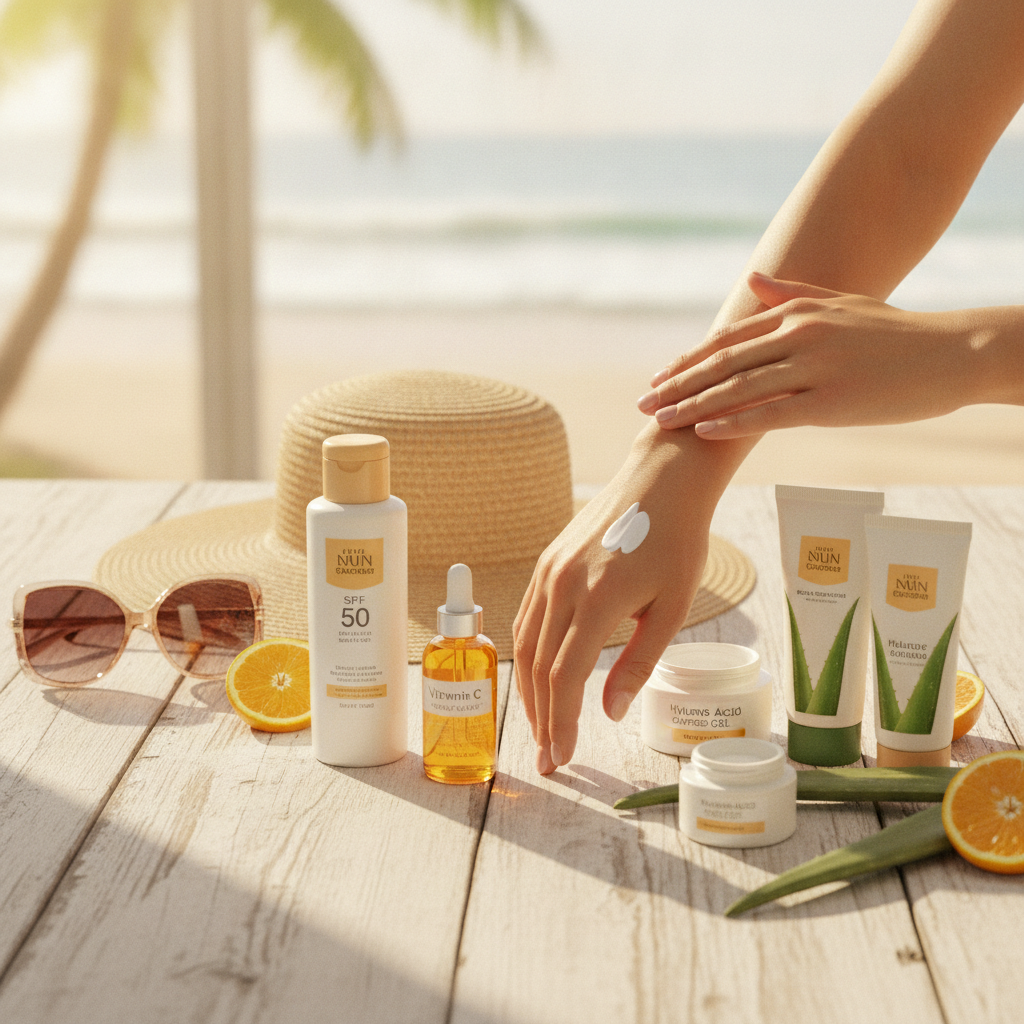
- Broad-spectrum sunscreen (SPF 30+) applied daily
- Protective clothing (hats, long sleeves)
- Timing (avoiding peak sun 10am-4pm)
- Seeking shade when outdoors
Antioxidant Defense: Consuming antioxidant-rich foods provides internal protection by neutralizing free radicals generated by UV exposure.
Protective Nutrients
Lycopene: Found in tomatoes, watermelon, and pink grapefruit, lycopene protects skin from UV damage and reduces sunburn severity.
Beta-Carotene: Orange and red vegetables provide this precursor to vitamin A, supporting skin repair and protection.
Polyphenols: Green tea, berries, and dark chocolate contain compounds that reduce UV-related inflammation.
Vitamin E: Works synergistically with vitamin C to protect skin from oxidative damage.
After-Sun Care
If sun damage occurs, support skin recovery:
- Hydrate abundantly to reduce inflammation
- Apply cooling treatments (aloe vera, cucumber)
- Consume antioxidant-rich foods
- Avoid further sun exposure during healing
Long-Term Skin Health
Consistent sun protection combined with antioxidant-rich diet and proper skincare significantly reduces premature aging, age spots, and skin cancer risk.
Making sun protection a daily habit, regardless of weather conditions, is essential for maintaining youthful, healthy skin.