Postbiotics: The Gut Hidden Key to Metabolic Health
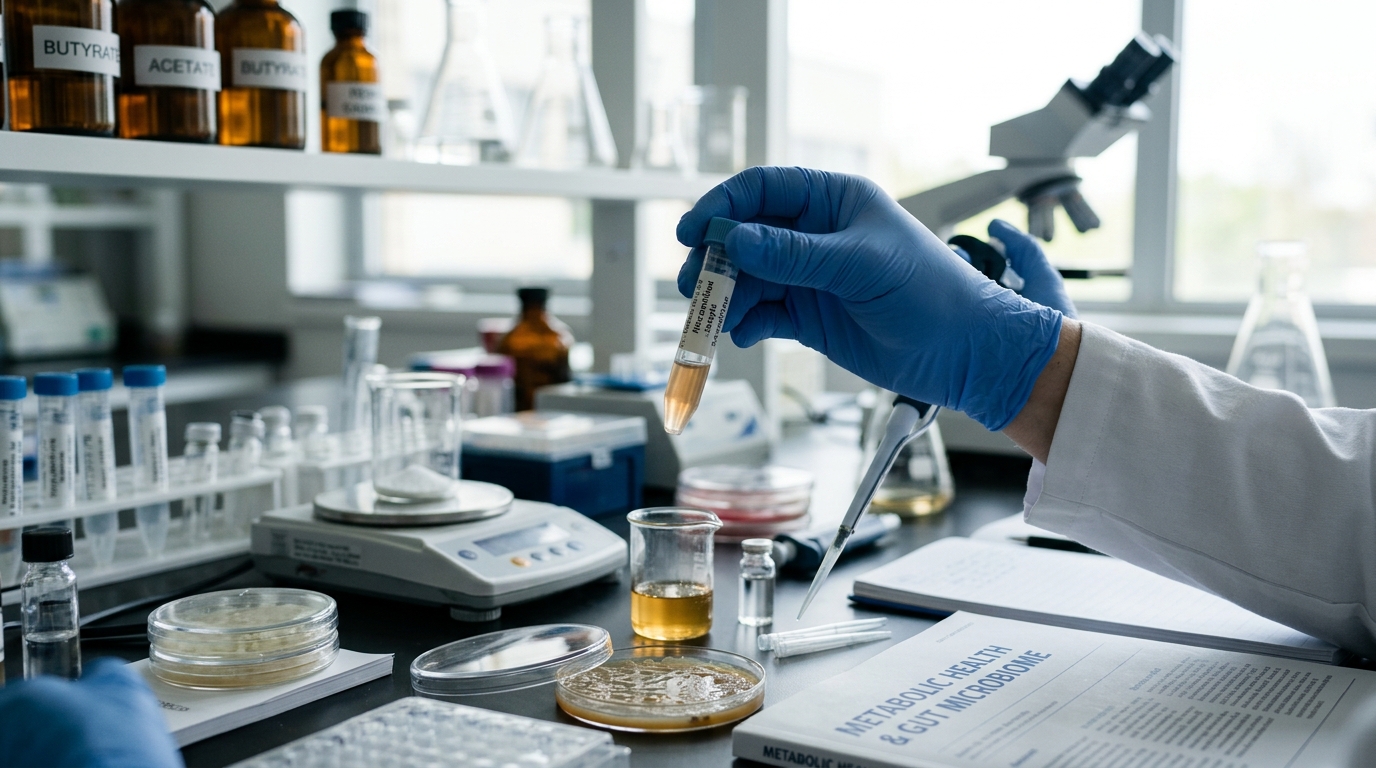
While probiotics and prebiotics have dominated gut health conversations, a newer player is emerging with potentially greater therapeutic significance: postbiotics.
Understanding Postbiotics
Postbiotics are bioactive compounds produced when probiotics feed on prebiotics. They include short-chain fatty acids like butyrate, antimicrobial peptides, vitamins, and cell wall fragments. Unlike live probiotics, postbiotics are stable and do not require refrigeration.
The Metabolic Connection
Research demonstrates that specific postbiotic compounds directly influence metabolic pathways. Butyrate strengthens the intestinal barrier, reduces systemic inflammation, and improves insulin sensitivity.
A 2025 clinical trial showed that postbiotic supplementation reduced fasting glucose levels by 12% in pre-diabetic participants over 12 weeks.
How Postbiotics Influence Weight
Postbiotics regulate appetite hormones including GLP-1 and PYY. They also influence how efficiently we extract calories from food. Individuals with lower postbiotic diversity tend to have metabolisms that favor fat storage.
Supporting Postbiotic Production Naturally
High-fiber foods like oats, onions, garlic, leeks, and Jerusalem artichokes provide raw materials for beneficial bacteria. Fermented foods like kefir, sauerkraut, and kimchi contribute both bacteria and metabolic byproducts.
Future Therapeutic Applications
Pharmaceutical companies are developing targeted postbiotic formulations for type 2 diabetes, non-alcoholic fatty liver disease, and obesity-related inflammation.